
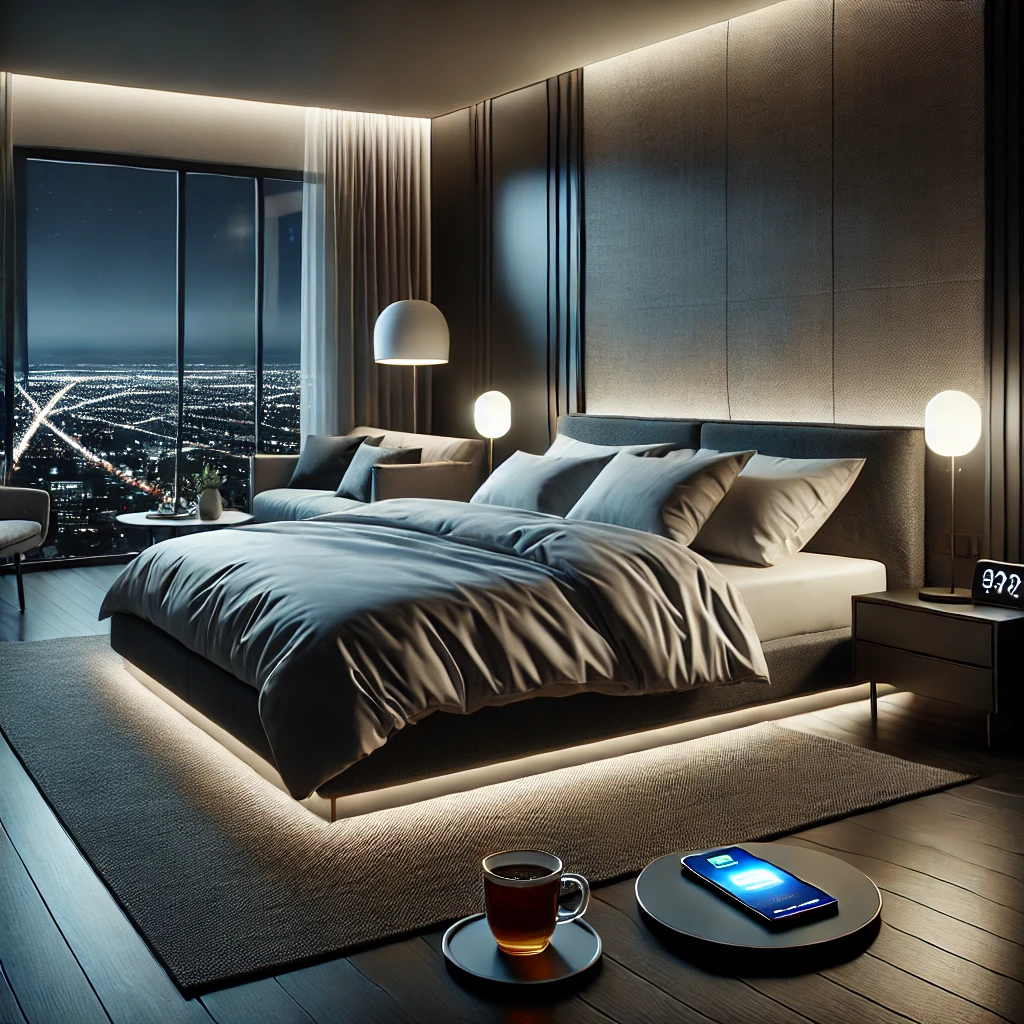
21st century humans are tired far too much. Not because we don’t value sleep, but because we aren’t doing it right. When it comes to restful sleep, it’s all about preparation. The strategies in this article are simple methods you can implement today to make your sleep effortless and effective. Here are some of the best evidence-based methods to help you sleep better:
1. Establish a Consistent Sleep Schedule

Going to bed and waking up at the same time every day, even on weekends, regulates your body’s internal clock. This consistency reinforces your sleep-wake cycle, making it easier to fall asleep and wake up naturally. Keys for accomplishing this are to stay as close as possible to the cycle of the sun, waking up early enough to catch some early light and going to bed ideally as soon as you can after the sun goes down. Now, because of the schedule of our world today and the controversial phenomenon known as daylight savings time, this might not always be possible. But that’s okay. It doesn’t have to be a rule; just a helpful guideline to keep in mind.
2. Create a Relaxing Bedtime Routine
Engage in calming activities before bedtime to signal your body that it’s time to wind down. Consider incorporating relaxation techniques such as deep breathing, reading, or taking a warm bath (adding Epsom salts or another form of bath salts are a great way to get an even more relaxing wind down). These activities can help reduce stress and prepare your mind for sleep.
3. Optimize Your Sleep Environment

Ensure your bedroom is conducive to sleep by keeping it cool, quiet, and dark. Investing in comfortable bedding and minimizing noise and light disturbances can enhance sleep quality. Using blackout curtains (or sleep masks) and white noise machines are practical solutions to create an ideal setup for excellent sleep. If snoring keeps you awake, try mouth taping. If you struggle to calm down before bed, try a Magnesium Glycinate supplement rather than melatonin.
Another overlooked factor in sleep is your body temperature. It is optimal for your body to rest in a cool environment rather than a warm one. Some easy ways to do this are to adjust your thermostat after dinner, allowing the house to cool down a bit before bed, or by taking a hot shower or bath before going to sleep, allowing your body to bring down its own temperature as a response.
Recommended White Noise Machines
Recommended Magnesium Glycinate Supplement
For those who want to go even farther to optimize their sleep environment, a good option would be to invest in an EMF net, Tesla rocks, or at least a wearable EMF harmonizer. If these are outside your budget, that’s okay- start by setting a timer for Wi-Fi to turn off at night and make sure your phone is never within 6 feet of you while you sleep.
4. Limit Exposure to Screens Before Bed

The blue light emitted by phones, tablets, and computers can interfere with the production of melatonin, the hormone responsible for regulating sleep. It’s advisable to avoid electronic devices at least an hour before bedtime to promote natural sleep onset.
Substitute reading for screens whenever possible if you are looking for a wind-down activity in bed. Or, if you aren’t quite ready to give up screens at night, consider investing in a pair of blue light glasses or switching your phone’s color filter to grayscale to help your body properly prepare for sleep.
Recommended Blue Light Glasses
5. Prepare Your Body For Sleep
Consuming large meals or caffeine close to bedtime can disrupt sleep. Try to limit caffeine after lunch and avoid it altogether after dinner. Drinking water is always a good idea….. but drinking too much before bed is probably a bad idea. If you have a habit of drinking before bed and don’t want to give it up, another option is to take salt before bed. Salt holds water in your body, keeping you better hydrated and ensuring you won’t wake up in the middle of the night when your drink has worked its way through your system.

One of the most underrated ways you can prepare your body for sleep is by scheduling your meals better. A good general rule to follow is eat when the sun is up, don’t eat when the sun goes down. Why? Your circadian rhythm, the same bodily phenomenon that dictates so many other daily functions, impacts digestion as well. If you eat within 2 hours of going to bed, not only will you miss out on the recovery aspects of sleep due to your body being forced to work on digesting food rather than healing itself, but the food you ate may in fact be more harmful than helpful, even if it is healthy food. The reason for this is because your circadian rhythm limits melatonin production until it is dark outside. When melatonin is active, the food you eat will have a greater tendency to be stored as fat, because of a crucial hormone called insulin. These are a few simple ways to better prepare your body to sleep.
Conclusion
By implementing these strategies, you can enhance your sleep quality and make it effortless and effective. If you feel like this article was educational for you, feel free to like, subscribe, and share this post to your friends to help give others the tools to take control of their health.

If you’re looking for additional information on sleep and its benefits, or asking yourself why you should about sleep at all, check out this popular Ted Talk on the subject.
Kingdom Health receives a small commission from products purchased through our links (at no extra cost to you). We thank you for choosing to partner with us to take control of your health and for supporting us along the way.
Make the Kingdom Healthy.




Leave a Reply