
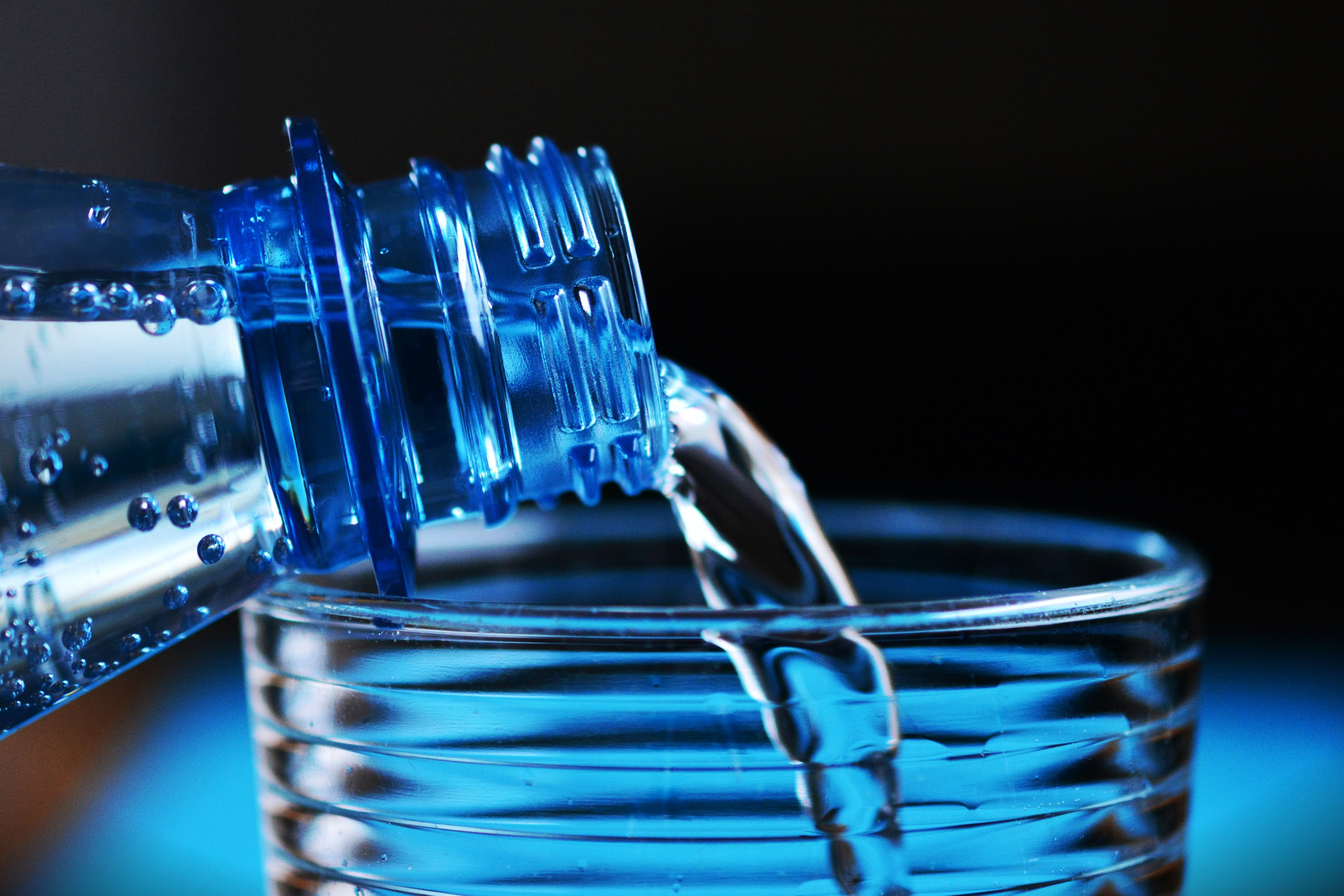
Digestive health is a foundational pillar of overall health, energy levels, hormone balance, and long-term performance. One of the most overlooked—but impactful—factors in digestion is what you drink during meals. While most people focus on food quality, beverages consumed alongside meals can significantly influence how well nutrients are broken down, absorbed, and utilized by the body.
Drawing primarily from Tom Brady’s TB12 Method, along with functional and ancestral nutrition principles, this article breaks down the most common drinks consumed during meals, how they affect digestion, and why some of them may be doing more harm than you realize.
Why Digestion Depends on Stomach Acid
Before diving into the beverage world, it’s important to understand why stomach acid matters.
Your stomach produces hydrochloric acid (HCl) to:
- Break down proteins into amino acids
- Activate digestive enzymes like pepsin
- Kill harmful bacteria and pathogens
- Signal proper emptying of food into the small intestine
While most of your body operates well in an alkaline environment, digestion is an outlier. Optimal digestion requires a highly acidic environment (low pH). When this acidity is diluted or neutralized, digestion slows, fermentation increases, and nutrient absorption declines. Many common drinks interfere with this process—especially when consumed during meals. Essentially: the more liquid you consume while you eat, the more your stomach acid is diluted. In general, it is good to keep your liquid consumption during meals to a minimum, but as you will soon see, some options are better than others.
H20 (Water)

Water is essential for life—but timing matters.
According to the TB12 Method, drinking significant amounts of water during meals can:
- Dilute stomach acid, reducing its ability to break down food
- Weaken enzyme activity
- Slow gastric emptying
- Increase bloating and discomfort
When you drink water while eating, you raise the pH of the stomach environment. This makes protein digestion less efficient and can cause food to sit in the stomach longer, increasing the risk of fermentation and gas production.
Best Practice
- Hydrate 30–60 minutes before meals
- Sip lightly & only if needed during meals
- Resume hydration 30–45 minutes after eating
Carbonated Beverages: A Digestive Double Hit
Carbonated drinks—whether soda, sparkling water, or flavored seltzers—are particularly problematic during meals….. much more so than normal water. Why?
Carbonated beverages:
- Increase stomach pressure, interfering with natural digestive contractions
- Contain dissolved carbon dioxide, which forms carbonic acid and disrupts normal stomach signaling
- Reduce effective stomach acidity, impairing enzyme function
The problem with carbonated beverages is the carbonation itself. As you might have guessed, the process of carbonation involves adding carbon dioxide to the drink. When CO₂ dissolves in liquid, it forms carbonic acid (H₂CO₃):
CO₂ + H₂O ⇌ H₂CO₃
While carbonic acid is technically acidic, it does not support digestion the way hydrochloric acid does. Carbonic acid is weak and unstable, and it interferes with the stomach’s normal acid-regulation feedback loops. Carbonated beverages have less oxygen than regular water and have been found to be dehydrating.
Again, the stomach relies on very low pH (≈1.5–3.0) specifically from HCl to activate pepsin and break down proteins.
Even unsweetened sparkling water can cause bloating, reflux, and slowed digestion when paired with food.
Additional Problems
If the beverage is a soda, it is even worse than a sparkling water, as it likely contains:
- Sugar or high-fructose corn syrup → spikes insulin and feeds gut dysbiosis
- Artificial sweeteners → disrupt gut bacteria
- Phosphoric acid → interferes with mineral absorption
Carbonated beverages are best avoided entirely during meals.
Coffee: Stimulating, but Not Digestive-Friendly

Coffee is often consumed with breakfast or after meals, but it can work against optimal digestion.
Coffee’s effects:
- Stimulates cortisol and adrenaline, shifting the body into a stress response
- Can increase stomach acid secretion initially, followed by acid dysregulation
- Interferes with iron, magnesium, and calcium absorption
- Speeds gut motility, sometimes pushing food through before proper digestion occurs
For individuals with already low stomach acid—a surprisingly common issue—coffee during meals can worsen bloating, reflux, and nutrient deficiencies.
Best Practice
- Drink coffee at least 60–90 minutes away from meals
- Avoid pairing coffee with protein-heavy meals
Milk and Dairy-Based Drinks
Milk is often perceived as soothing, but it poses digestive challenges for many people.
How Milk Affects Digestion:
- Temporarily buffers stomach acid, raising stomach pH
- Casein protein forms curds that require strong acid to digest
- Lactose can ferment if not properly broken down
This buffering effect may reduce immediate irritation but ultimately impairs protein digestion, especially in those with low stomach acid or lactose intolerance.
Fermented dairy (like kefir or yogurt) is generally better tolerated—but still best consumed separate from large meals.
Fruit Juice: Sugar Without Fiber

Fruit juice is often marketed as healthy, but during meals it can disrupt digestion.
Fruit Juice usually:
- Is high in fructose and glucose, which can:
- Spike blood sugar
- Ferment in the gut
- Lacks fiber, slowing satiety and increasing insulin response
- Competes with protein digestion when consumed simultaneously
Fruit sugars digest best alone or earlier in the day—not mixed with fats and proteins.
Better Alternative
- Whole fruit eaten separately
- Small amounts of diluted juice away from meals
Alcohol: The Worst Offender?

Alcohol during meals significantly impairs digestion.
Alcohol:
- Suppresses stomach acid production
- Damages the stomach lining
- Impairs enzyme secretion
- Slows nutrient absorption
Even moderate alcohol intake during meals can reduce protein digestion efficiency by a substantial margin.
If consumed, alcohol is best limited and separated from heavy meals.
So What Should You Drink?
During meals, the best option is:
- Nothing (sorry), or
- Small sips of room-temperature water if necessary
Outside of meals:
- Water
- Mineral water (non-carbonated)
- Herbal teas
Proper timing allows your digestive system to function as designed—efficiently, powerfully, and without unnecessary stress.
Final Thoughts
Digestive health isn’t just about what you eat—it’s about how you support your body’s ability to break food down and absorb nutrients. As emphasized in the TB12 Method, optimizing digestion requires intentional habits, including smarter beverage timing.
By avoiding disruptive drinks during meals, you:
- Improve nutrient absorption
- Reduce bloating and reflux
- Support gut health
- Enhance overall energy and performance
Sometimes, the biggest upgrades come from the simplest changes.

To keep our platform up and running, Kingdom Health accepts a small commission on products purchased through our links (at no extra cost to you). We thank you for supporting us through your commitment to better health.
Make the Kingdom Healthy!
This article is for educational purposes only and is not medical advice.



Leave a Reply